Where the boundary belongs
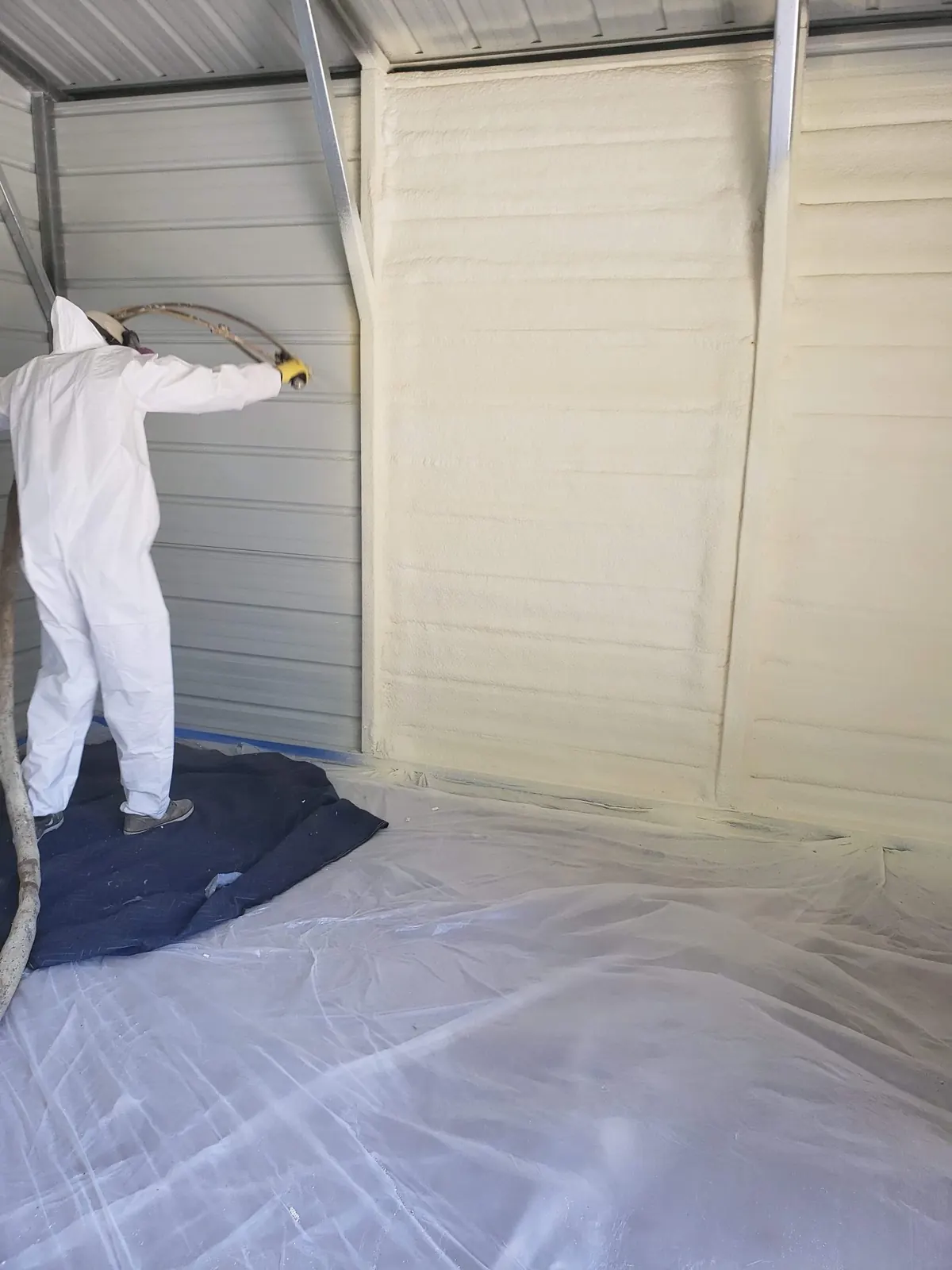
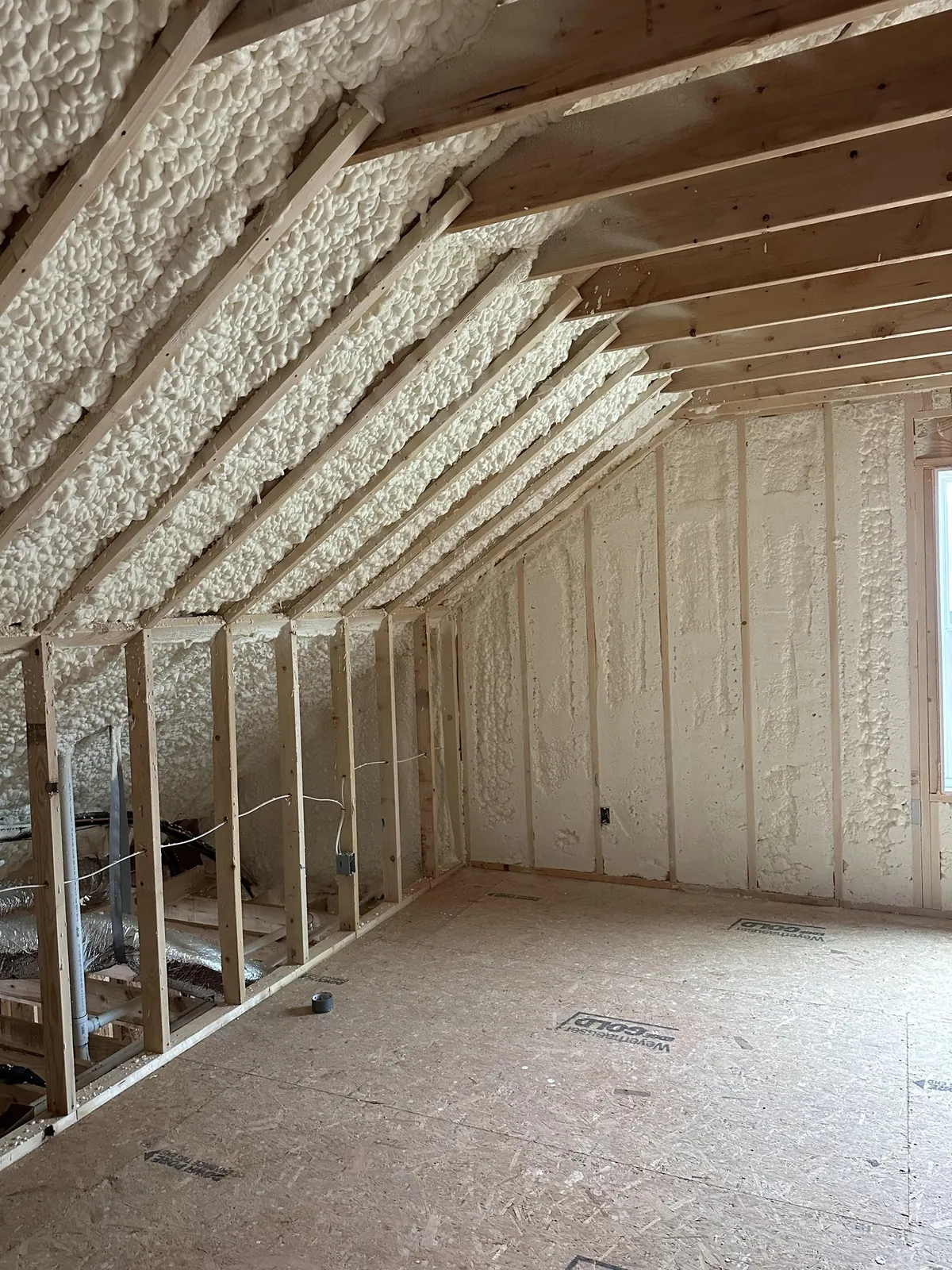
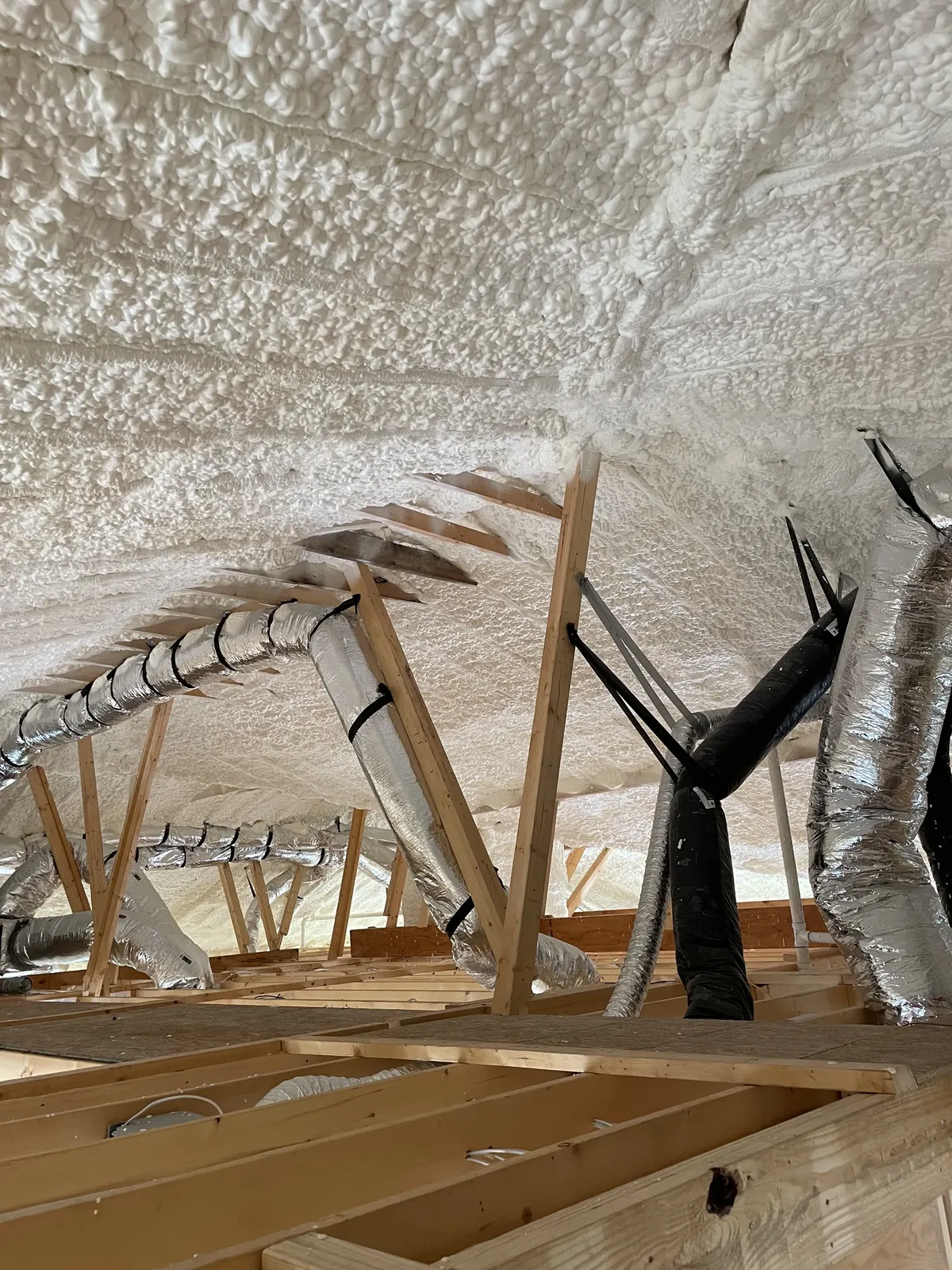
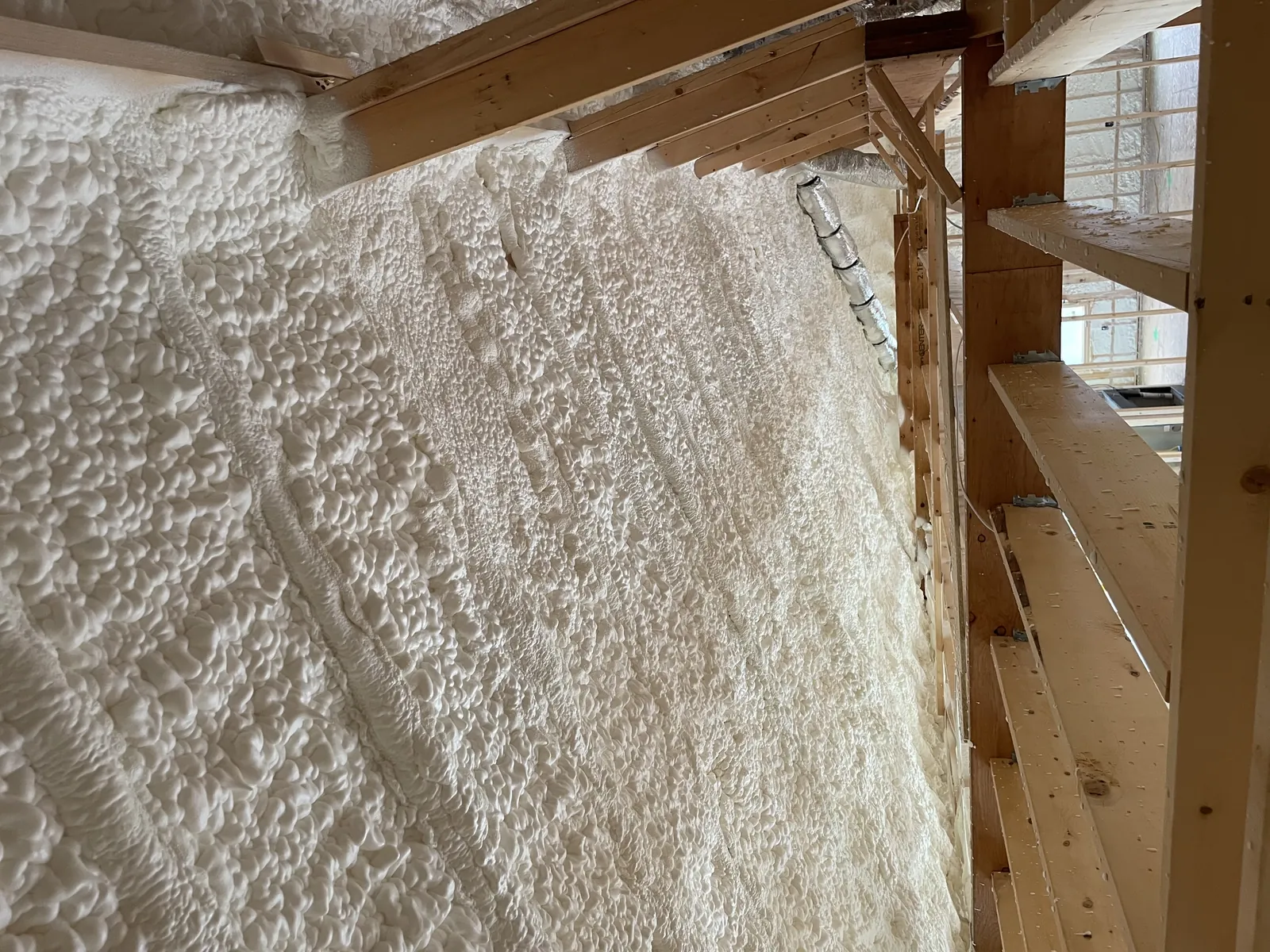
Insulating at the roof deck brings the attic inside the conditioned space. Insulating at the floor leaves it outside. Ductwork, storage and any equipment up there usually decide which is right.
If one part of your house is fighting you, it is usually the attic. We look at what is up there now, how the space is used and where the air is actually moving before we recommend a thing.
Family ownedOperating since 2010
Spray foam specialistsNot a general insulation reseller
Two crews, two statesNorth Georgia and North Alabama
Lawrenceville based1891 Prospect Church Road
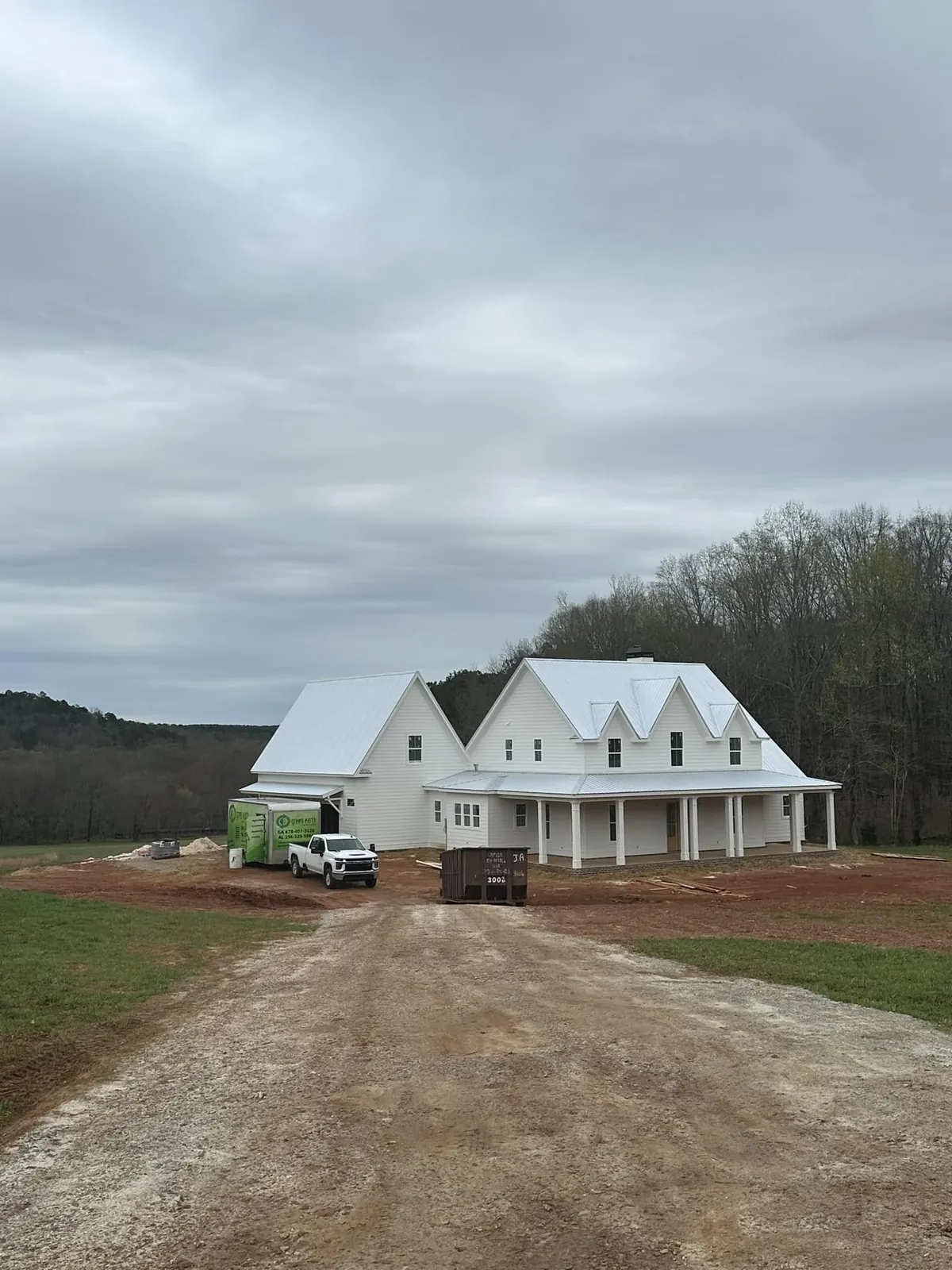
Almost nobody calls asking for attic insulation. They call because a room is unusable in August, or because a power bill stopped making sense. These are the ones that trace back upstairs.
An attic quote given over the phone is a guess. These three things change the scope and the price, and none of them can be seen from the driveway.
Insulating at the roof deck brings the attic inside the conditioned space. Insulating at the floor leaves it outside. Ductwork, storage and any equipment up there usually decide which is right.
Wet, contaminated or heavily settled material has to leave before anything new goes in. Covering it traps the problem and hides whatever caused it.
Changing where the boundary sits changes how the roof assembly breathes. Soffit vents, ridge vents and equipment access all get reviewed as part of the same decision.
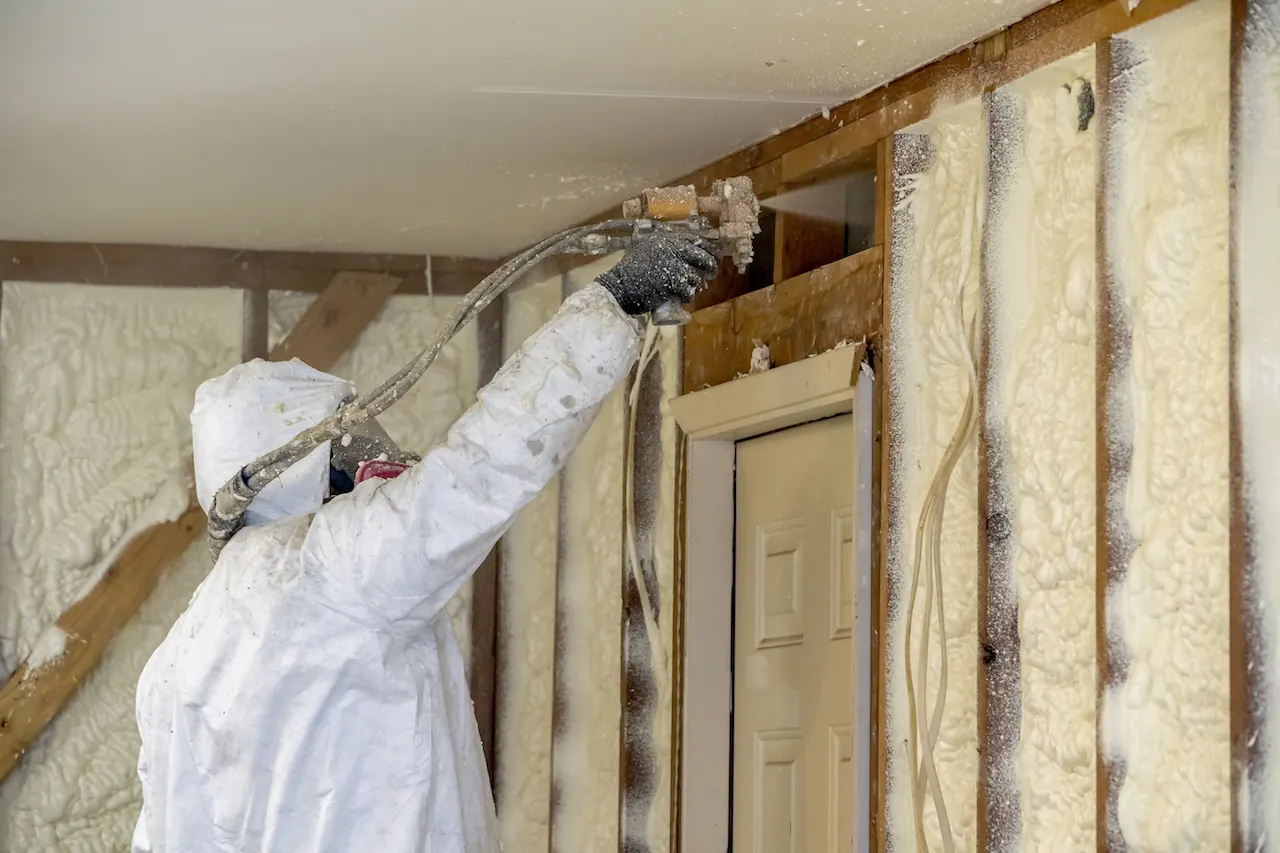
Both are normal and both are right in the correct situation. The building decides, not a preference.
Nothing starts until you know what is included, what is not, and what has to happen before we can begin.
Not a doorway glance. We look at the existing material, the framing, the penetrations and anything showing moisture.
Roof deck or attic floor, based on what is up there and how you use the space.
Surfaces included, removal if it is needed, preparation, exclusions and anything another trade owns.
The crew that quoted the work is the crew responsible for it.
The things owners usually want settled before they book an estimate.
It depends on what is in the attic. If your ductwork or air handler is up there, bringing the attic inside the conditioned space at the roof deck usually makes more sense, because those ducts stop sitting in an oven. If the attic is empty and stays empty, sealing the ceiling plane at the floor can be the better value. We settle it in the attic, not on the phone.
Not always. If the existing material is dry, clean and simply thin, it can often stay. If it is wet, contaminated, rodent damaged or badly settled, it comes out first. Adding new insulation on top of a problem hides the problem and makes it harder to find later.
It moves with the square footage, whether we are working at the roof deck or the floor, which foam the assembly calls for, the thickness required, the access and whether anything has to be removed. We do not publish a rate per square foot, because a number that vague is not useful to you. The estimate is free and it is specific.
Most residential attics are a one-day job once the preparation is done. A removal adds time, and so does an attic with difficult access. We tell you the expected duration in the written scope rather than on the day.
We will tell you before we start how long to stay out of the work area and what ventilation is needed. That conversation happens during the estimate, not once the crew has arrived.
Often yes, and it is one of the most common reasons people call us. But a bonus room can also be fighting duct sizing or a return-air problem, and foam will not fix either of those. If we think the attic is not your real problem, we will say so.
Insulation problems rarely stay in one place. These are the areas that most often come up alongside this one.
Tell us which room is giving you trouble and where the property is. We will take it from there.