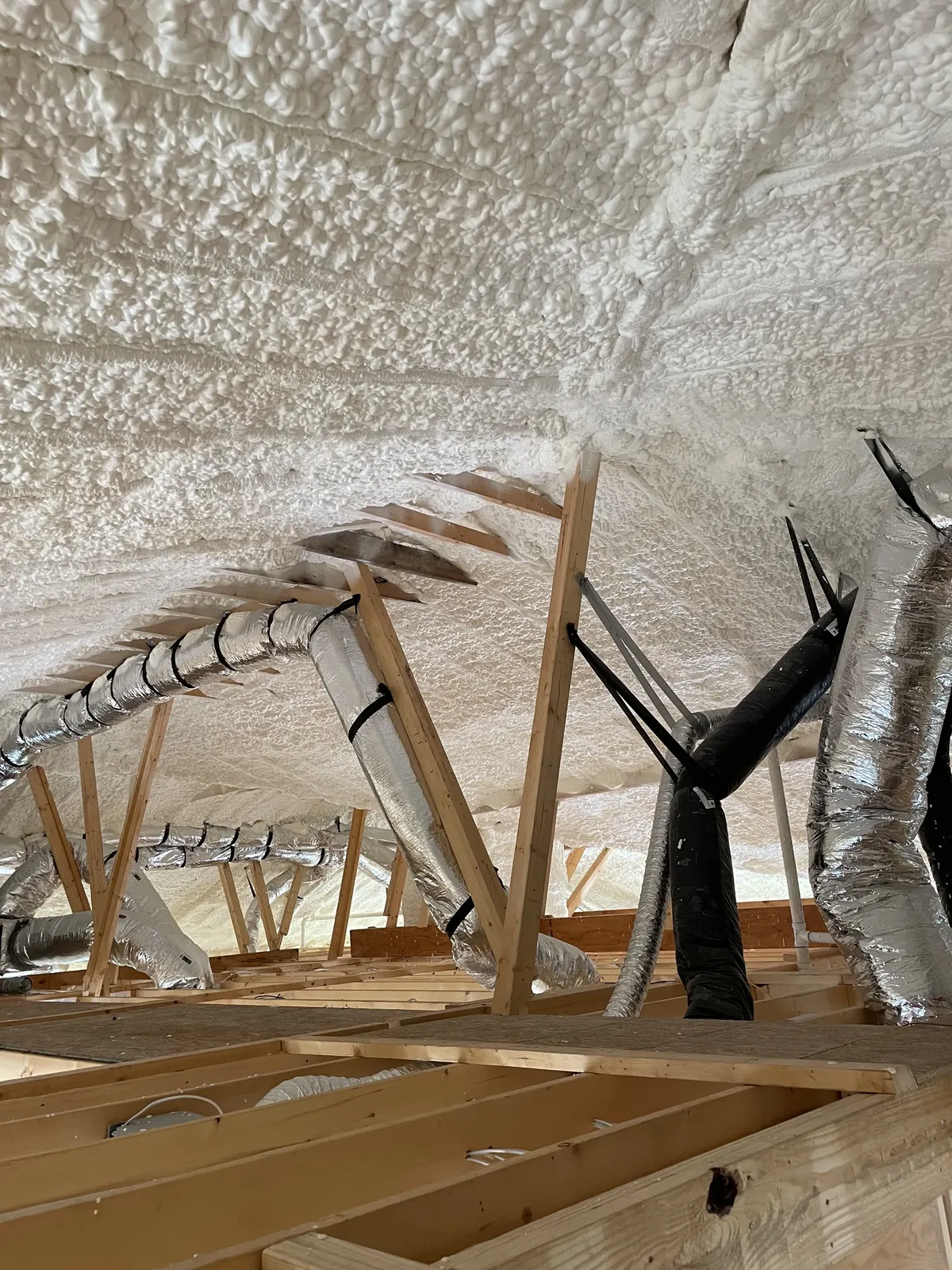
It is not exposed to bulk water
Open cell is vapour permeable. That is useful in the right place and a liability in a wet crawl space or against a below-grade wall. Those get closed cell.
Open cell is the lighter of the two foams. It expands further, it fills awkward framing well, and it is the usual choice inside a conditioned space. It is not the answer everywhere, and we will say when it is not.
Family ownedOperating since 2010
Spray foam specialistsNot a general insulation reseller
Two crews, two statesNorth Georgia and North Alabama
Lawrenceville based1891 Prospect Church Road
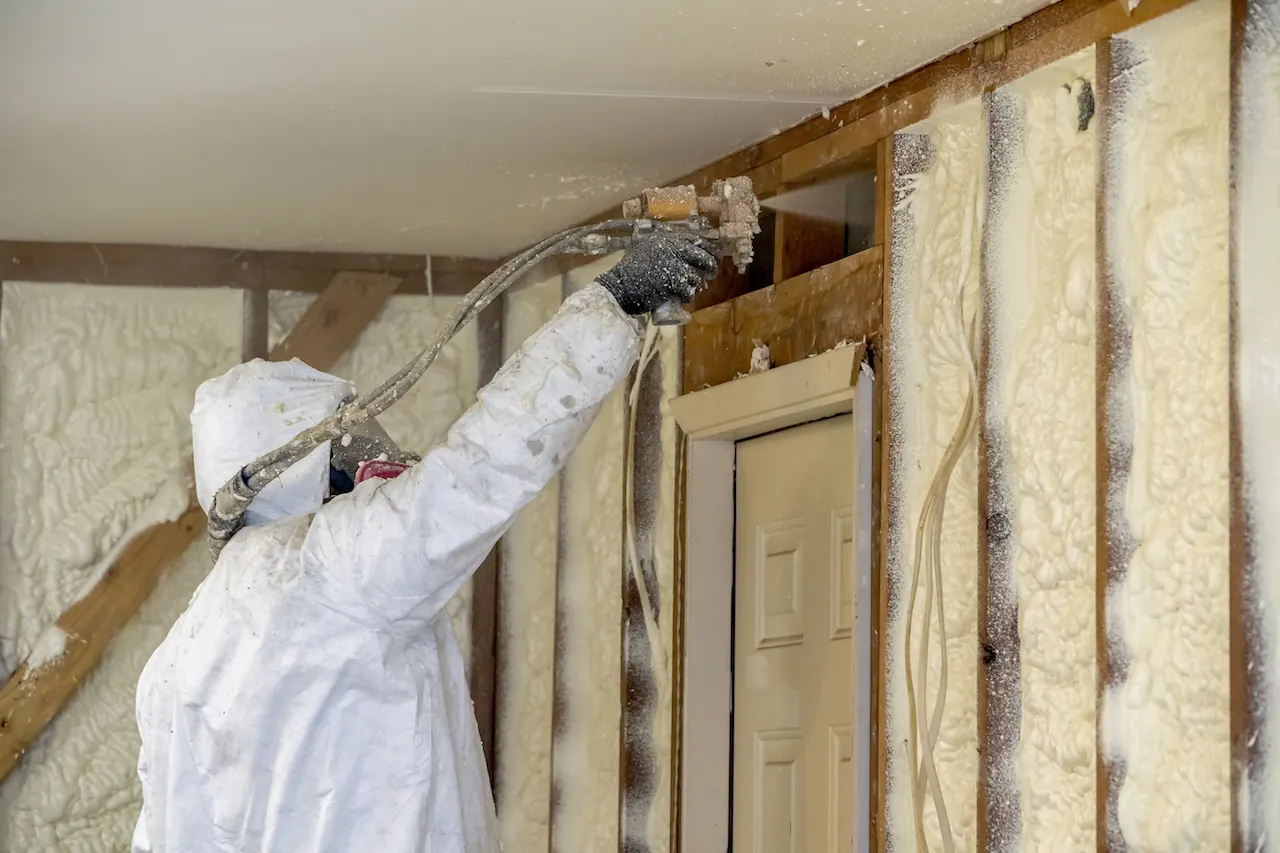
Open cell is not a cheaper substitute for closed cell. They do different things, and the assembly decides which one belongs.
Foam that is specified against the wrong assembly causes problems that are expensive to reach later. These are the checks.
Open cell is vapour permeable. That is useful in the right place and a liability in a wet crawl space or against a below-grade wall. Those get closed cell.
It grows substantially on application. Framing depth and the finished surface both have to accommodate it.
We agree where the thermal and air boundary is meant to sit before anything is sprayed, because moving it afterwards means opening the assembly again.
This is the decision on most jobs. Neither is better. They suit different conditions.
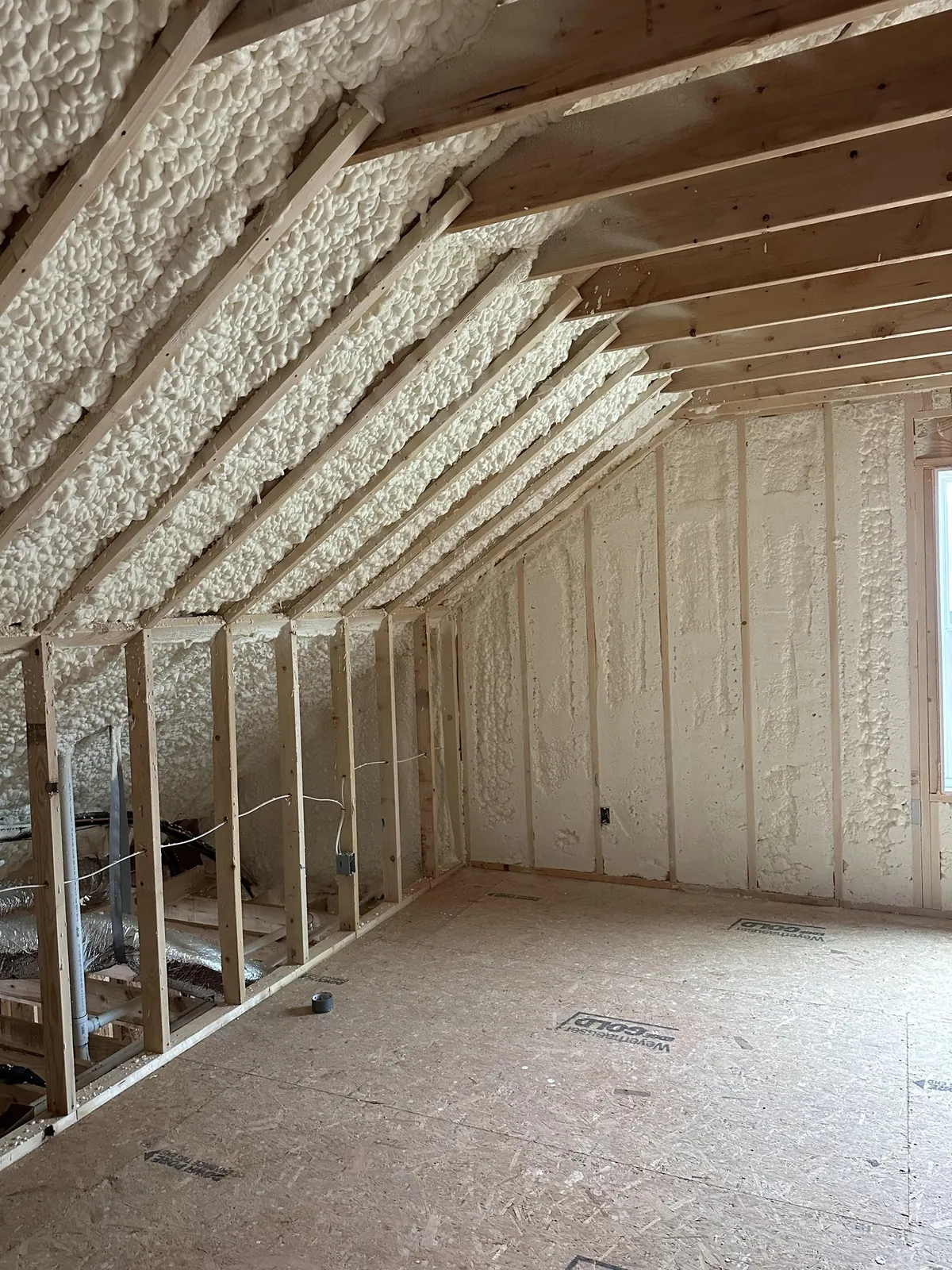
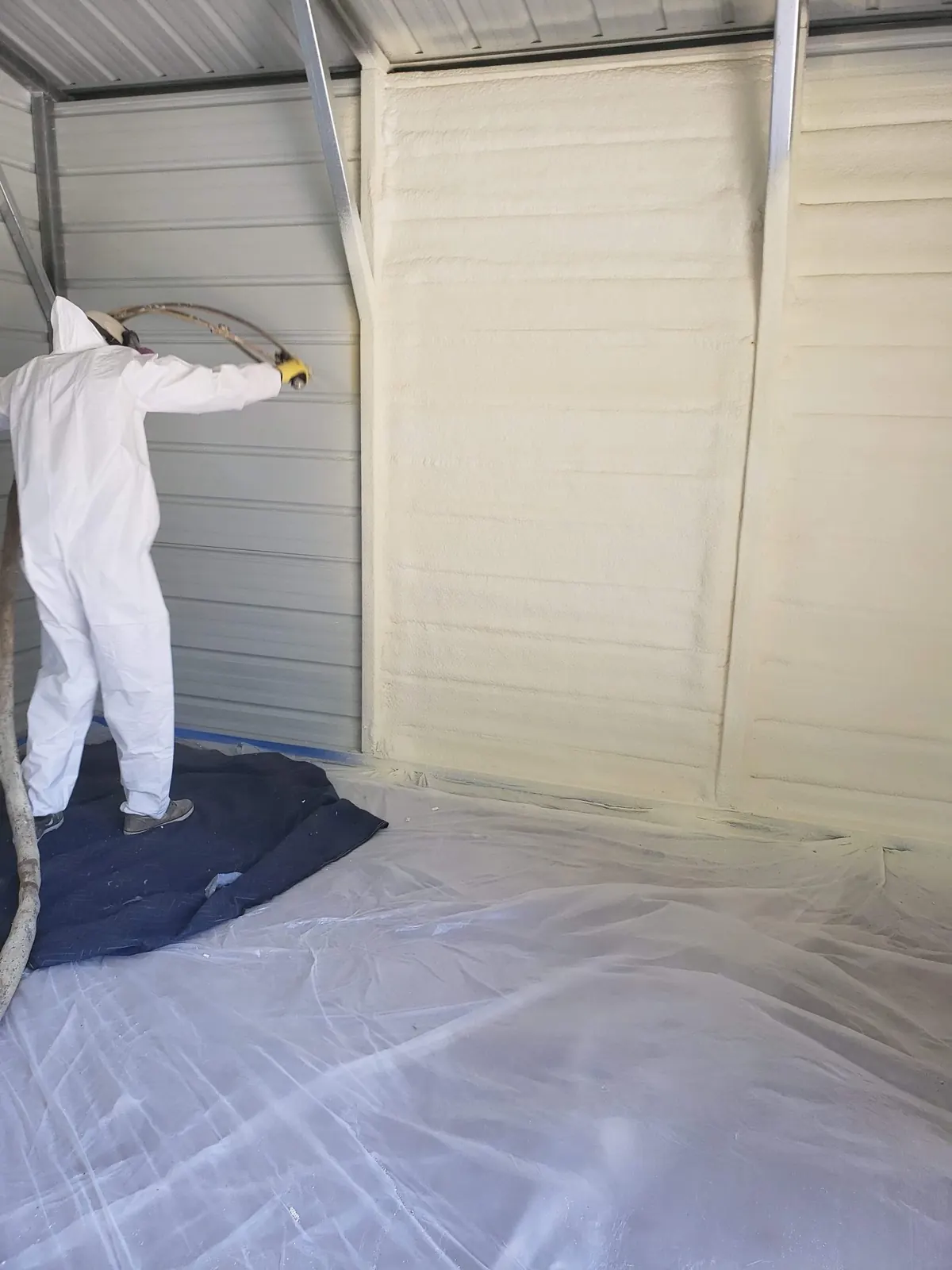
The material is chosen against the assembly. That decision happens at the estimate, in writing.
Framing, depth, what the space connects to and where the boundary should sit.
Open cell, closed cell, or both in different areas of the same job. Mixed scopes are normal.
Which surfaces, which product, what preparation and what is excluded.
The crew that quoted the work is the crew responsible for it.
The things owners usually want settled before they book an estimate.
Open cell is lighter and expands further, and it lets vapour through. Closed cell is denser, adds rigidity to the assembly and resists moisture. That is why open cell suits conditioned interior assemblies and closed cell suits crawl spaces, rim joists and metal buildings. The assembly picks the product, not the budget.
No. It is different. Specifying closed cell everywhere because it sounds stronger costs more and is not always better for the assembly. Specifying open cell where water can reach it is a genuine mistake. Getting that decision right is most of what an estimate is for.
It is vapour permeable, which means moisture can pass through it rather than being trapped at the surface. In an interior assembly that is often desirable. In a place that sees bulk water it is the wrong product, which is why we do not use it in crawl spaces.
It does dampen airborne sound within the assembly and people commonly notice it in a bonus room or a bedroom. It is a useful side effect rather than a soundproofing system. If noise is your main goal, tell us during the estimate, because the assembly matters more than the foam.
That depends on the assembly, the climate zone and what the code requires for your specific application. Anyone quoting a thickness before seeing the building is guessing. We state it in the written scope for your job.
Insulation problems rarely stay in one place. These are the areas that most often come up alongside this one.
That is the question the estimate answers. Tell us what you are insulating and where it is.