
Lula, Georgia Spray Foam for Working Property
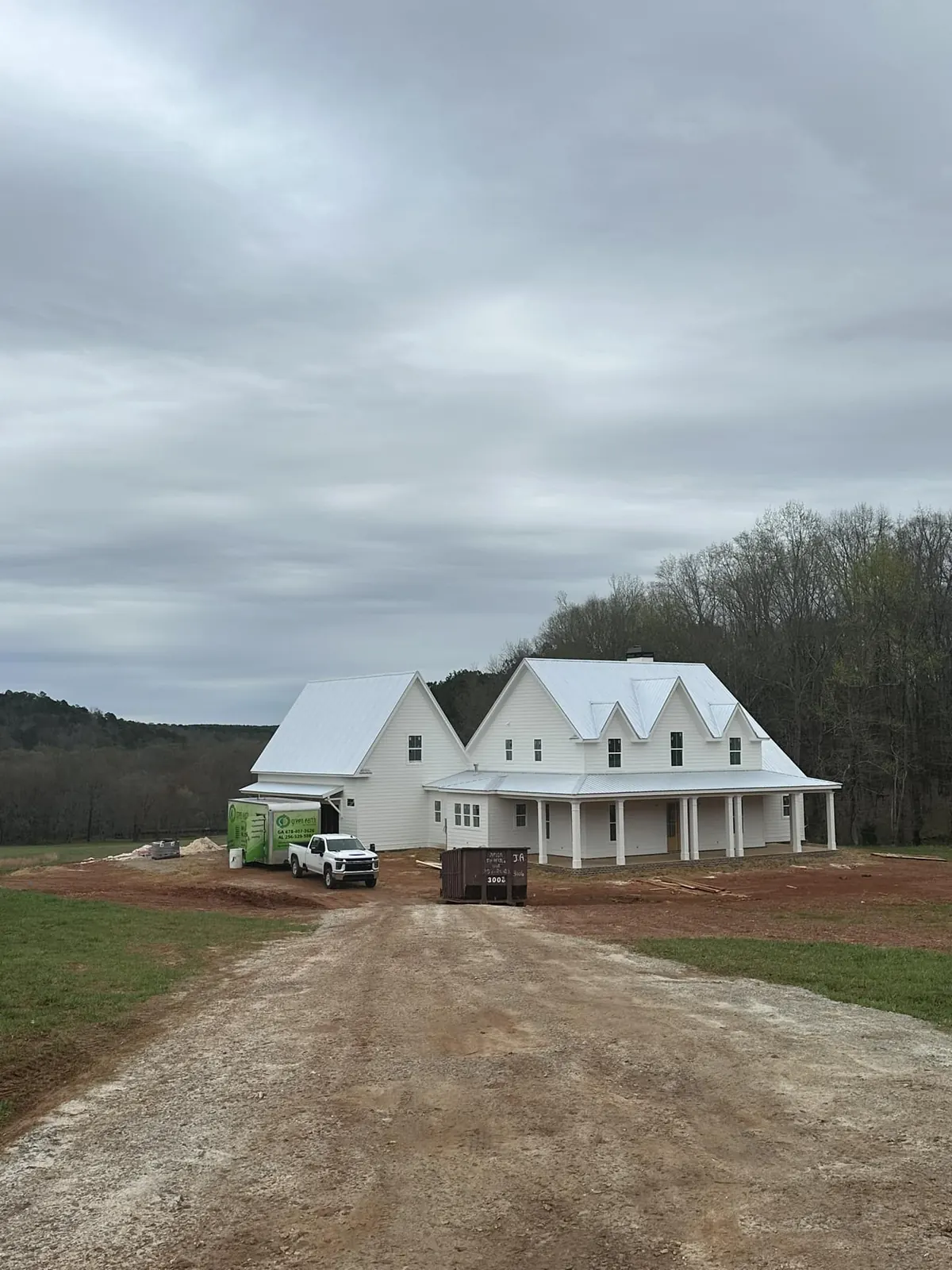
On Lula property the complaint is rarely one neat room. It is a farmhouse with a cold back addition, a shop that drips in the morning, or a metal building that is useful for everything except comfort. We walk the house and the outbuildings as separate structures before we recommend foam.
Free Insulation Estimate
Family ownedOperating since 2010
Spray foam specialistsNot a general insulation reseller
Serving LulaNorth Georgia
Lawrenceville based1891 Prospect Church Road
Lula is small, rural and practical. Buildings earn their keep. An older farmhouse may have been expanded as the family grew. A barn, shop or metal building may have started as storage and slowly become a workspace. Green Earth has been family owned since 2010, and around Lula that matters because owners want the truth about what foam can do on land where buildings are used hard.
Older farmhouses in Lula are usually several houses stitched together.
A Lula farmhouse often began as a simple rectangle, then gained a kitchen wing, a bathroom, a closed porch or a bedroom over what used to be outside. Each change can put the thermal boundary in a new place. The owner feels it as one cold room, one hot room or a floor that stays chilly even when the stove or heat pump is working. We trace where inside stops and outside begins before we talk about surfaces.
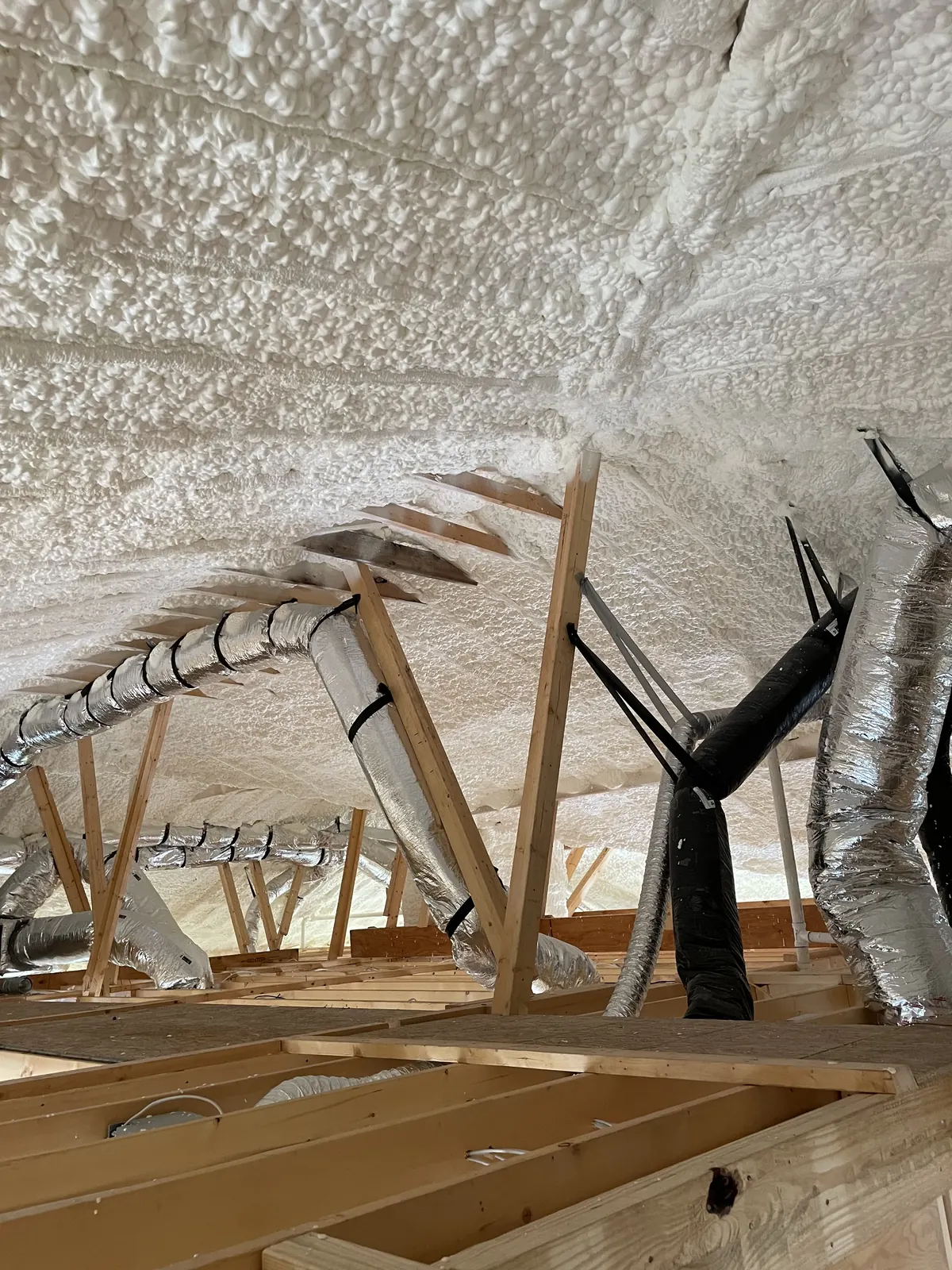
These houses can have low crawlspaces, piers, stone or block transitions, old chimneys, later plumbing and wiring, and attic spaces that were never shaped for modern equipment. Foam can be a strong answer in the right cavity. It is a bad answer when it covers wet sills, active termite damage, open flue paths or wiring that should be corrected first.
Working land changes what an insulation job has to respect.
On working property, a building may be quiet at dawn and full of noise, dust, animals or machinery by midmorning. Doors stay open. Equipment creates heat. Feed, tools, fuel and stored material change the air. An insulation plan that ignores those habits will look good on paper and disappoint in use. We ask how the building is used across a normal week before recommending where foam belongs.
There is also a difference between comfort and protection. A shop where people work needs one kind of boundary. A building used to keep equipment dry needs another. A barn with animals needs ventilation thinking that a garage does not. We do not pretend a farm building is a suburban house with more square footage.
Metal buildings around Lula usually call because of sweat.
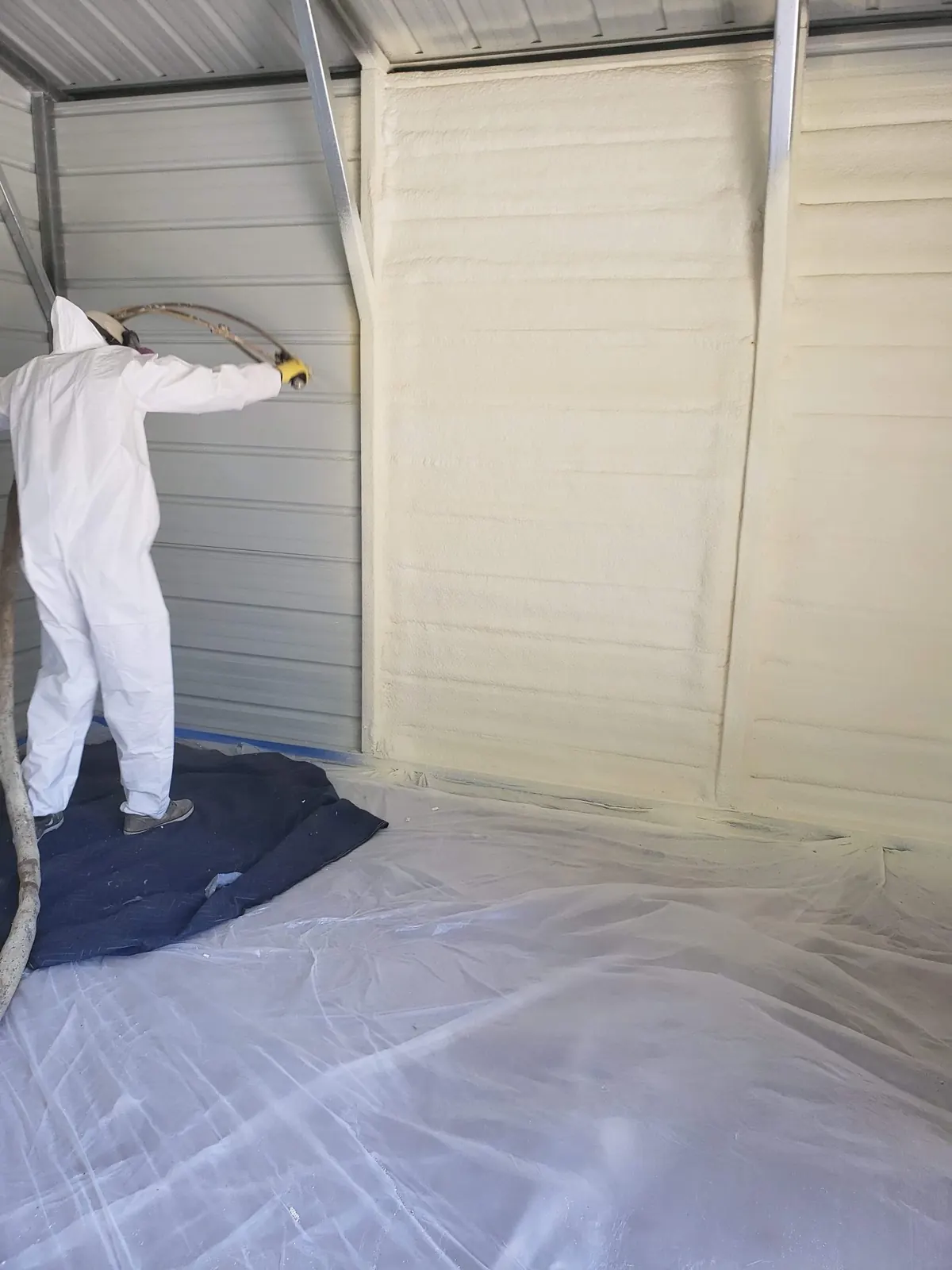
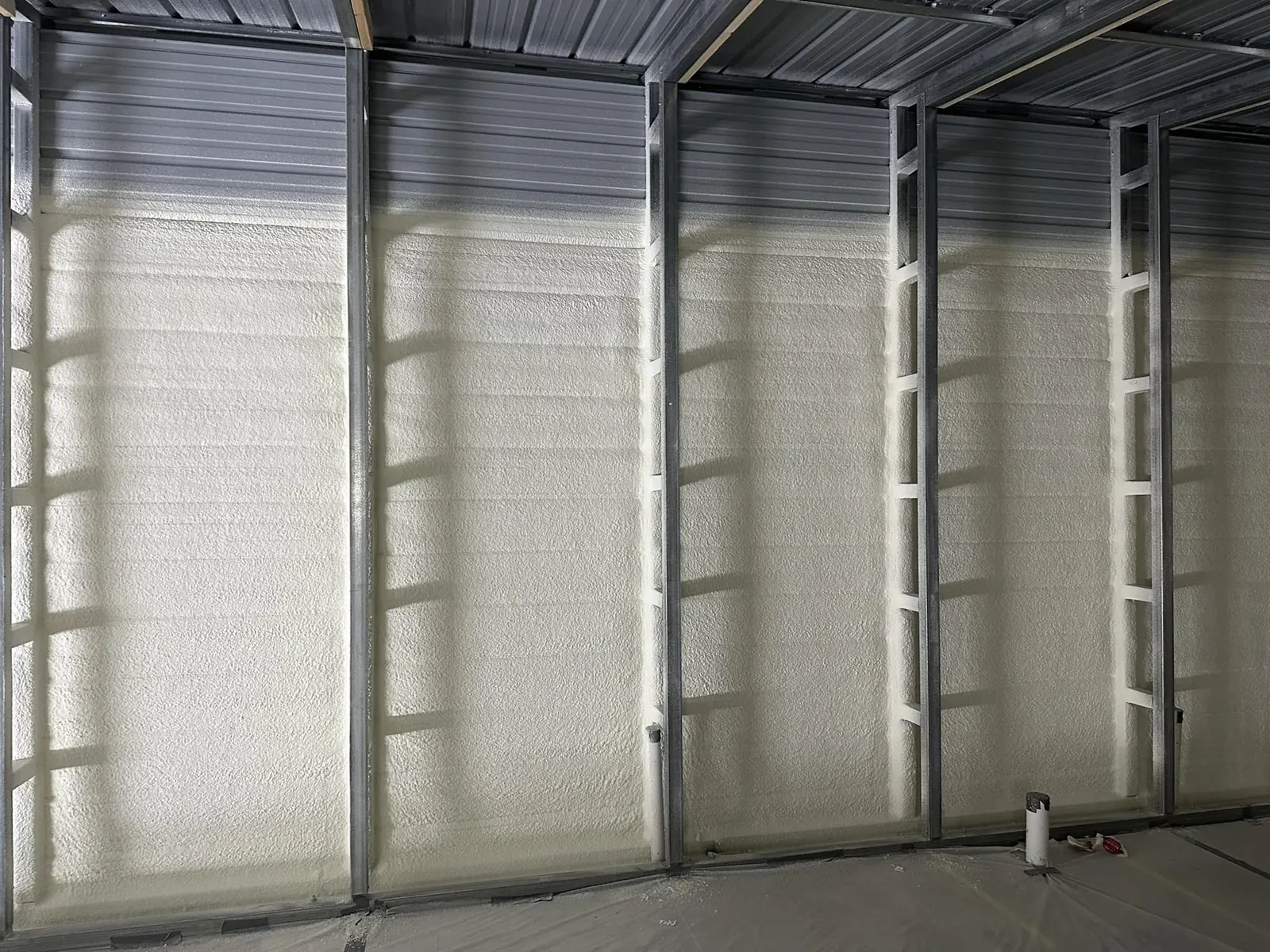
The phrase owners use is simple: the building is raining inside. Warm moist air reaches cold metal and water shows up on tools, tractors, stored hay or the floor. Spray foam can separate interior air from the metal skin when the assembly suits it, and that can change how the whole building behaves. It does not repair roof leaks, stop groundwater or ventilate a space that keeps making moisture.
Before foam, we look for open ridge paths, leaking panels, missing closures, slab edges that stay wet, gas or diesel equipment, and how often the big doors stand open. A building that houses engines or wet processes may need ventilation decisions alongside insulation. Sealing first and asking later is how a damp box gets built.
When the shop is worth conditioning.
If people spend real hours in the shop, the boundary usually deserves more care. We look at walls, roof line, doors, slab edge and any office corner. Sometimes the right answer is to condition the whole shop. Sometimes the honest answer is to tighten a smaller work area and stop pretending the entire metal shell can feel like a house.
When storage is the goal, dryness beats comfort.
A storage building may not need steady temperatures. It may need less condensation, less outside air washing through, and protection for what sits inside. That is a narrower scope than comfort, and it should be priced as a narrower scope. We would rather aim at the actual problem than sell the largest version.
When a farmhouse addition is the weak link.
Additions are where Lula houses often lose. The original wall becomes an interior wall on paper but still behaves like outside. The crawlspace under the addition may be shallow. The attic over it may not connect cleanly to the old roof. We inspect those seams because that is where complaints usually live.
Long runs to outbuildings make each structure earn the visit.
A Lula property can put the house, shop, barn and equipment shed far enough apart that each one has its own weather. Shade, wind, red clay moisture and roof exposure differ across the same parcel. We do not bundle them into one vague answer. Each building gets its own boundary, its own preparation list and its own written scope.
The written scope matters more on rural work.
Rural buildings hide surprises. A crawlspace can drop lower than expected. A metal building can have liner panels, old insulation behind girts, or wiring that changes the sequence. The scope says what is included, what is excluded, what must be removed, what must be repaired by another trade and what condition the surfaces need before foam.
That protects the owner and the crew. It also keeps the job honest when a building turns out to need drainage, carpentry or electrical work before insulation makes sense. If foam should wait, we say wait. If a smaller scope solves the real complaint, we say smaller.
Cost on Lula property follows the building, not the acreage.
A large parcel does not mean a large insulation job, and a small farmhouse can be complex if it has been changed over generations. The number moves with surface area, access, height, removal, preparation, roof deck versus wall versus floor decisions and how much of an outbuilding truly needs conditioning. We do not publish a rate because a rate cannot see the building. The estimate is free and specific.
Call with the complaint, not a product name.
Tell us whether the issue is a cold farmhouse bedroom, morning condensation in the shop, a barn that stays damp or an outbuilding that needs to protect equipment better. Call 770-294-2013 and describe the building in plain terms. We will take it from there and keep the answer tied to how the property is used.
Good rural insulation work makes the building easier to use.
The aim is not a showroom. It is a farmhouse room that can be used, a shop that stops dripping on tools, and a metal building that behaves more like a dry workspace than a cold drum. Foam is one tool in that outcome. The boundary, the preparation and the honest limits decide whether it works.
Book a free estimate in Lula.
Tell us where the property is, which area is giving you trouble and what you are noticing. We will look at the building before we recommend anything.
- 01We look at the property
The work area, what is already there, the access and anything visibly wrong.
- 02We match the system to the building
Open cell, closed cell, or removal first, based on the assembly and how you use it.
- 03You get a scope you can read
Preparation, surfaces included, removals, exclusions and anything another trade owns.
Spray foam FAQs
Answers to the things Lula property owners usually want settled first.
Why does the metal building on my Lula property drip water in the morning?
Warm moist air is reaching cold metal and condensing. Foam can separate that air from the metal in the right assembly. It will not fix roof leaks, wet slab edges, constant open doors or moisture made inside the building faster than it can dry.
Can an older Lula farmhouse be foamed without covering problems?
Yes, if the inspection comes first. Wet sills, damaged wood, old wiring, open flue paths and damp crawlspace conditions must be named before foam. Covering those traps them and makes later repairs harder.
Should a barn or animal building be sealed like a house?
No. Animal buildings need ventilation and moisture thinking that houses do not. Foam may belong in limited places or not at all. We ask what lives and works in the building before recommending anything.
Can you scope the farmhouse and the shop separately on one Lula visit?
Yes. They are different buildings unless they share assemblies. The house may need crawlspace or attic boundary work while the shop needs condensation control. Each gets a written scope.
What changes cost for rural Lula insulation work?
Surface area, access, height, removal, preparation, whether the boundary is roof, wall or floor, and how much of an outbuilding truly needs conditioning. We do not quote a blind rate. The free estimate becomes a scope you can read.
Start with the part of the property that needs attention.
Each guide covers what we inspect, how the material gets chosen and the questions worth asking any contractor.
Get a spray foam estimate in Lula.
Family owned, straight answers, and we will tell you if foam is the wrong call for your building.